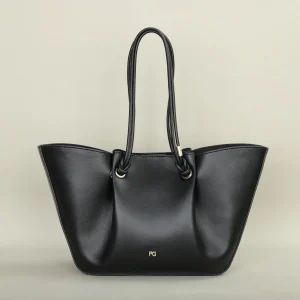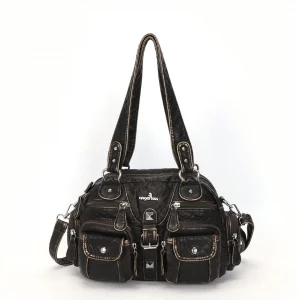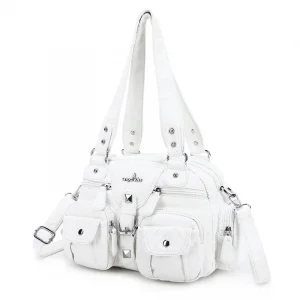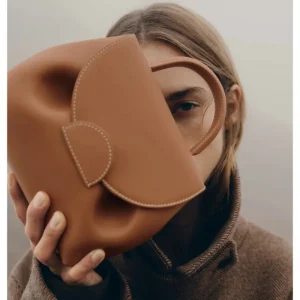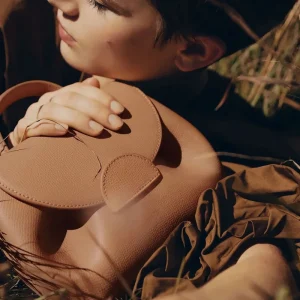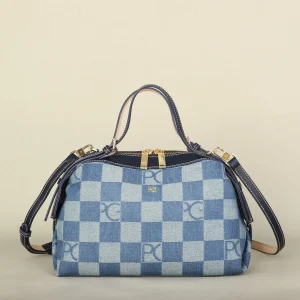
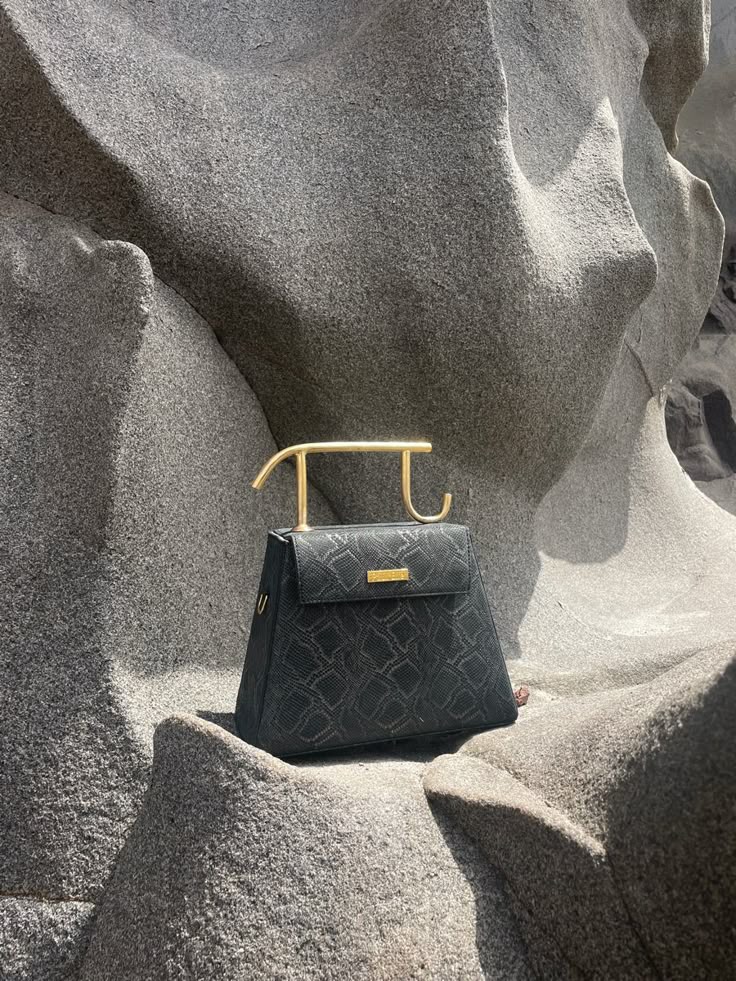
A bag is often treated as a practical afterthought—something to carry essentials from one place to another. But in reality, the right bag plays a much deeper role in everyday life. It influences how we move, how we organize our day, and how we present ourselves to the world. Whether it’s a structured backpack for work or a minimalist shoulder bag for weekends, the bag you choose quietly shapes your routine and personal style.
Bags as an Extension of Daily Life
Think about how often you reach for your bag. It’s the first thing you grab before leaving home and the last thing you set down when you return. Inside, it holds items that reflect your priorities: your phone, wallet, keys, notebook, makeup pouch, or even a laptop. A well-designed bag doesn’t just store these items—it makes accessing them effortless. Smart compartments, thoughtful closures, and balanced proportions help reduce daily friction in ways we rarely notice until something goes wrong.
When a bag is poorly designed, the inconvenience adds up. Straps dig into shoulders, items get lost at the bottom, and zippers fail at the worst moments. Over time, these small frustrations affect how comfortable and confident you feel throughout the day. That’s why choosing the right bag is less about trends and more about lifestyle alignment.
Style Without Saying a Word
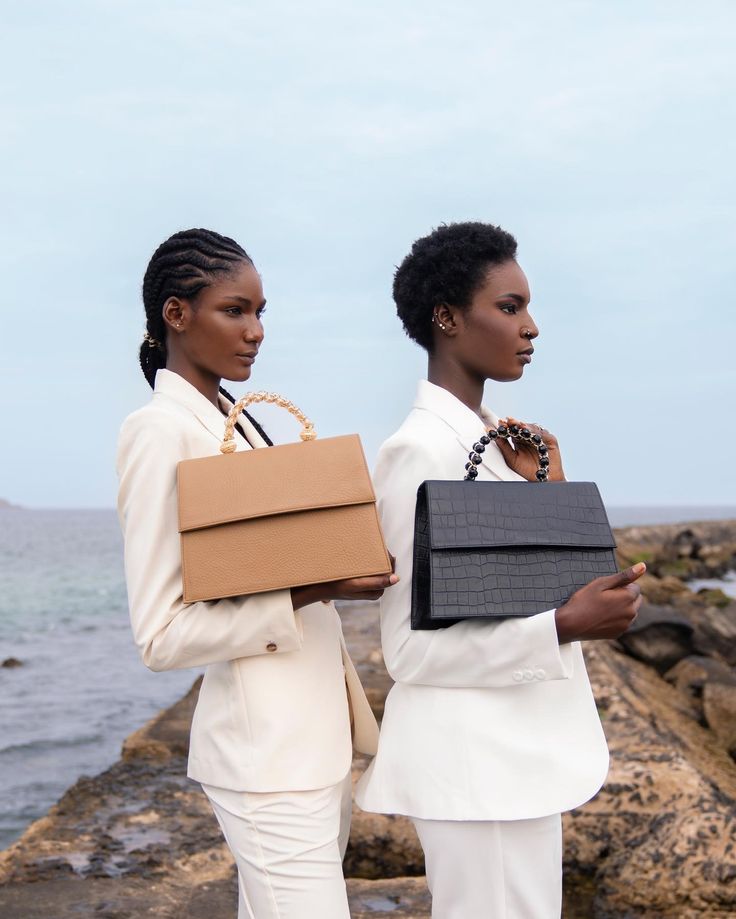
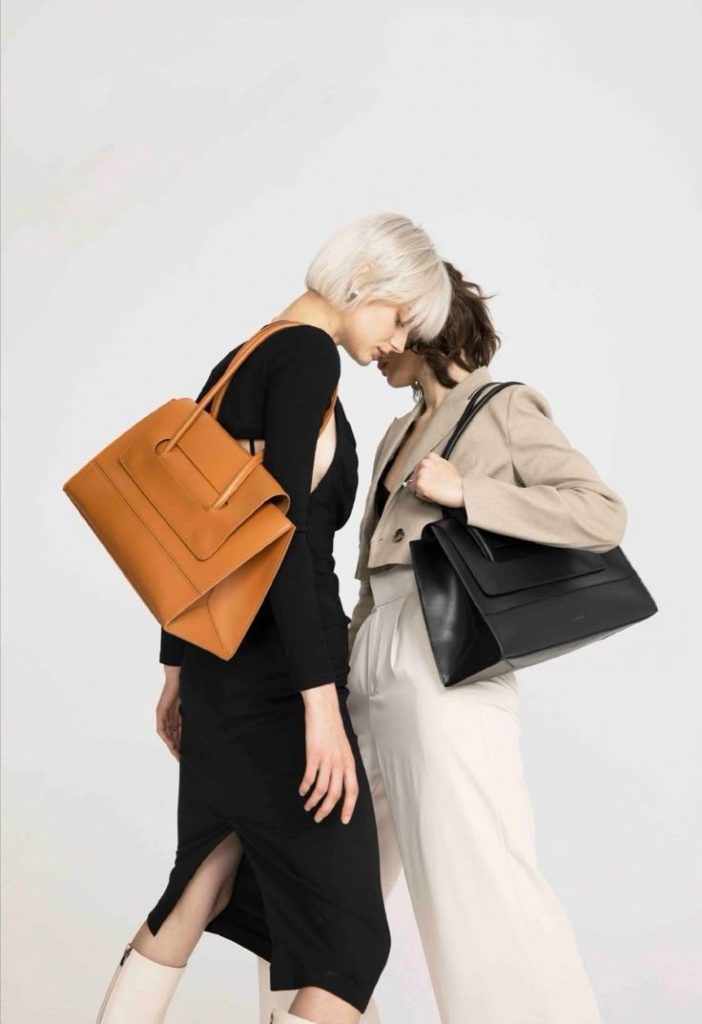
Bags speak quietly but clearly. A sleek, structured silhouette suggests intention and order, while a soft, relaxed design feels casual and approachable. Unlike clothing, which can change daily, many people use the same bag repeatedly. That consistency turns it into a visual signature—one that subtly communicates taste and personality.
Neutral tones like black, beige, and brown remain popular because they integrate seamlessly into different outfits. However, texture and form matter just as much as color. A clean-lined backpack can elevate casual outfits, while a refined tote can soften more formal looks. The key is balance: a bag that complements rather than competes with the rest of your wardrobe.
Function Meets Fashion
Modern life demands versatility. We move between work, social commitments, errands, and travel—sometimes all in the same day. The most valuable bags are those that adapt to these transitions without looking out of place. This is where functional fashion truly shines.
Designers today focus on details that enhance usability without sacrificing aesthetics. Reinforced stitching improves durability, adjustable straps increase comfort, and lightweight materials reduce strain. At the same time, clean silhouettes and thoughtful proportions ensure the bag remains visually refined.
The result is a bag that works hard behind the scenes while looking effortless on the surface.
Choosing a Bag That Fits You
There is no universally “perfect” bag—only the right one for your routine. Someone who carries a laptop daily will value padding and structure, while someone who prefers hands-free movement may prioritize compact backpacks or crossbody styles. The best choice comes from understanding how you actually use your bag, not how you imagine using it.
Pay attention to capacity, weight, and comfort. Try to imagine a full day with the bag: commuting, walking, sitting, standing, and reaching inside multiple times. If it supports your flow rather than interrupting it, you’ve likely found the right match.
A Quiet Investment
A well-made bag is an investment in ease, organization, and self-expression. It doesn’t need bold logos or exaggerated shapes to stand out. Instead, it earns its place through reliability and thoughtful design. Over time, it becomes something you trust—an everyday companion that supports your rhythm without demanding attention.
In a fast-moving world, that quiet reliability matters more than ever.